
Photography: The Art and Craft of Capturing Moments
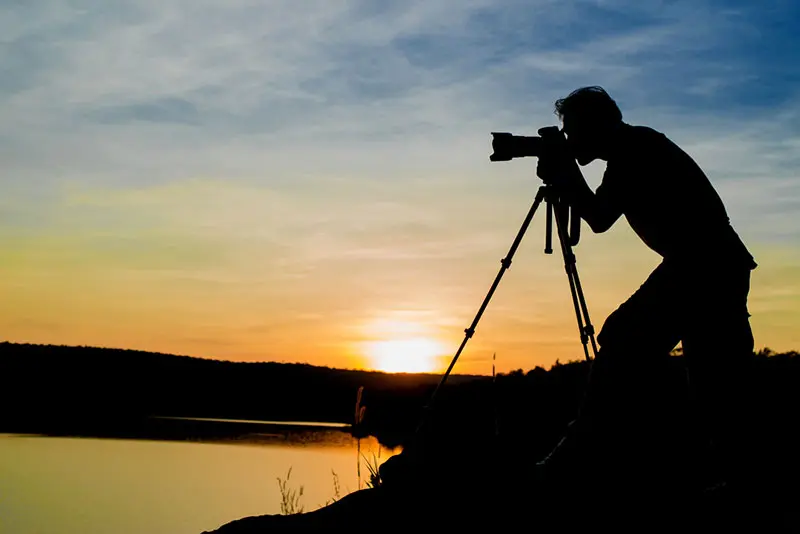
Photography is both an artistic expression and a technical skill that allows individuals to capture moments, emotions, and stories through images. It blends creativity with technology, enabling photographers to document life, communicate messages, and create visually compelling work that resonates with viewers.
What Is Photography?
Photography is the process of recording images using light, a camera, and various techniques. It plays a vital role in communication, memory preservation, journalism, advertising, science, and art. Whether it’s a breathtaking landscape or a candid portrait, every photograph reflects a unique perspective.
The Evolution of Photography
Photography has evolved significantly since its invention. Early cameras relied on long exposure times and chemical reactions, while today’s advanced digital systems offer instant feedback, high resolution, and extensive editing options.
Key Milestones in Photography Development
- Invention of the first camera obscura
- Creation of early film cameras
- Introduction of color photography
- Rise of digital cameras
- Widespread smartphone photography
Types of Photography
Photography covers a diverse range of categories, each requiring different techniques and creative approaches.
Portrait Photography
Focuses on capturing people’s expressions, personalities, and emotions.
Landscape Photography
Highlights natural scenery such as mountains, forests, and oceans.
Wildlife Photography
Documents animals in their natural habitats, often requiring patience and specialized equipment.
Fashion Photography
Used in magazines, ads, and runways, emphasizing clothing, style, and visual aesthetics.
Street Photography
Captures everyday life, spontaneity, and raw human interactions.
Event Photography
Includes weddings, concerts, corporate functions, and celebrations.
Macro Photography
Creates detailed close-up images of tiny subjects such as insects or flowers.
Essential Skills in Photography
A skilled photographer combines technical knowledge with artistic intuition.
Technical Skills
- Camera settings mastery (ISO, shutter speed, aperture)
- Lighting control and exposure management
- Lens selection
- Image editing and post-processing
Creative Skills
- Composition and framing
- Visual storytelling
- Color theory and contrast
- Attention to detail
Professional Skills
- Communication and direction
- Project planning
- Client management
- Portfolio building
Tools and Equipment Used in Photography
Photographers rely on an array of tools to create high-quality images. Equipment varies depending on the style of photography and the desired results.
Common Photography Equipment
- DSLR or mirrorless camera
- Wide-angle, prime, and telephoto lenses
- Tripods or stabilizers
- Softboxes, umbrellas, and flash units
- Reflectors and diffusers
- Editing software like Lightroom or Photoshop
The Photography Process
Photography involves multiple stages that transform a concept into a finished image.
1. Planning
Selecting the location, time, and equipment needed for the shoot.
2. Shooting
Capturing images using suitable camera settings and techniques.
3. Reviewing
Choosing the best shots and evaluating composition and clarity.
4. Editing
Refining images through color correction, cropping, retouching, and stylistic adjustments.
5. Delivery
Preparing final images in the proper format for clients, publications, or personal portfolios.
Why Photography Matters
Photography influences how people see and understand the world. It documents history, sparks emotions, and inspires creativity. From artistic expression to communication and advertising, photography remains a powerful medium in both personal and professional contexts.
FAQs
1. What is the difference between digital and film photography?
Digital photography uses electronic sensors, while film photography relies on chemical-based film.
2. Do I need an expensive camera to start photography?
Not necessarily. Many beginners start with entry-level cameras or smartphones before upgrading.
3. How can I improve my photography skills?
Practice regularly, study composition techniques, and experiment with lighting and angles.
4. What lens is best for portraits?
Prime lenses like 50mm or 85mm are popular choices due to their sharpness and depth of field.
5. How important is lighting in photography?
Lighting greatly affects mood, clarity, and overall image quality.
6. What is RAW format?
RAW files contain unprocessed image data, offering more flexibility for editing.
7. Should photographers specialize in one field?
Specializing helps build expertise, but exploring multiple styles broadens skills and creativity.


