
How Fitness Modeling Combines Physical Wellness With Professional Photography
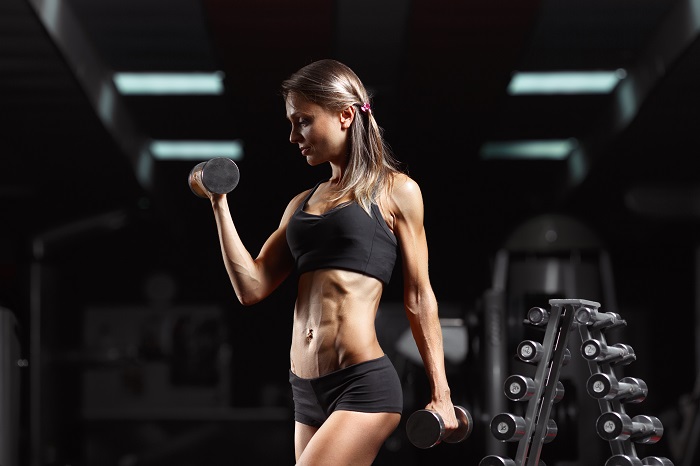
The polished images that grace activewear campaigns, commercial billboards, and fitness magazine covers present an alluring portrait of effortless strength. A model suspended mid-stride during a sprint or holding a flawless kettlebell catch looks entirely natural, glowing with vitality under clean studio lights. Yet behind that split-second shutter click lies a demanding discipline that few outside the industry truly understand.
Fitness modeling is not standard commercial modeling paired with a gym membership, nor is it competitive bodybuilding adapted for a camera lens. It sits at a unique crossroads where human biomechanics, disciplined metabolic wellness, and high-level photographic art converge. Succeeding in this space requires more than developing an enviable physique. It demands an acute understanding of how anatomical form interacts with directional light, how to maintain physical performance through demanding multi-hour shoots, and how to translate raw physical effort into compelling visual narrative.
Beyond the Aesthetic: The Shift Toward Functional Vitality
For decades, commercial representations of fitness relied on extreme, short-term conditioning protocols borrowed from competitive bodybuilding. Models would subject themselves to severe caloric deficits, sodium manipulation, and acute water dehydration in pursuit of paper-thin skin and hyper-vascular definition for a morning photoshoot.
While those measures produced striking definition, they carried steep physical costs. Dehydrated models frequently suffered from muscle cramping, brain fog, and visible lethargy on set. More importantly, depleted physiques rarely project genuine vitality. Hollow facial features, dull skin, and lifeless eyes clash directly with what modern lifestyle brands want to communicate.
Today, commercial fitness photography champions sustainable athleticism and functional vitality. Brands seek talent that embodies authentic capability—models who possess healthy energy reserves, natural skin radiance, and the physical conditioning needed to perform athletic movements repeatedly without injury. This shift requires models to approach their wellness as a year-round baseline rather than an emergency thirty-day sprint. Nutrition prioritizes sustained micronutrient density, joint health, and balanced systemic recovery, ensuring that the model looks and feels energized under the hot strobes.
Sculpting Human Anatomy with Directional Light
In standard beauty photography, lighting setups often aim to wash away texture. Large diffusers, beauty dishes, and ring lights flood the subject with soft, multidirectional illumination to eliminate skin imperfections and minimize shadows. In fitness photography, the philosophy is reversed: shadow is the primary tool used to carve and define muscular structure.
A professional fitness photographer designs a lighting setup specifically to accentuate depth, separation, and muscle topography:
-
Hard Cross-Lighting: Placing high-contrast key lights at steep oblique angles across the body casts crisp, micro-shadows into the valleys between muscle bellies, accentuating abdominal serrations, latissimus dorsi flaring, and quadriceps separation.
-
Kicker and Rim Illumination: Narrow, gridded strip boxes positioned behind and to the sides of the model create brilliant highlights along the shoulders, arms, and calves. This rim light separates the athlete cleanly from dark studio backdrops, adding three-dimensional presence to the frame.
-
Controlled Fill Ratios: Keeping the fill light subtle preserves contrast across the torso and limbs, preventing the musculature from flattening out into an uninspired, two-dimensional silhouette.
Understanding this optical architecture allows a skilled fitness model to work with the light rather than fighting it. A model with high proprioceptive awareness knows instinctively where the key light is focused, rotating their torso by two or three degrees to allow an edge shadow to deepen their abdominal definition or catch the crest of a shoulder cap.
The Mechanics of Isometric Control
Striking a compelling athletic pose is fundamentally an exercise in isometric control. On set, a model is rarely resting; they are maintaining deliberate muscular contractions across multiple muscle groups while projecting a serene, composed facial expression.
Contracting every muscle at absolute maximum effort immediately produces physical tremors, red-faced vascular strain, and awkward stiffness. Experienced fitness models master the art of sub-maximal isometric engagement. They learn to flex the core and anchor the lower body while keeping the neck and jaw completely relaxed, allowing the photographer to capture structural definition without the subject looking uncomfortable or exhausted.
Capturing Dynamic Action: When High-Speed Optics Meet Real Athletics
The commercial market has largely moved beyond static, mirror-flexing poses. Modern campaigns demand authentic dynamic movement: explosive box jumps, heavy medicine ball throws, mid-air hurdle clearances, and high-cadence battle rope sequences.
Documenting high-velocity motion in a controlled studio environment requires technical synergy between camera hardware and athletic execution:
High-Speed Sync and Flash Duration
Freezing an airborne athlete or capturing individual droplets of flying sweat requires ultra-short flash durations. Photographers rely on specialized industrial studio power packs capable of t0.1 flash durations of 1/8000 of a second or faster. If the flash pulse is too slow, high-speed movement—such as a swinging arm or a driving knee—will register with distracting motion blur along the edges.
Biomechanical Consistency Across Multiple Takes
A commercial photo director might require twenty to thirty sequential takes of a single explosive movement to capture the ideal frame—the micro-second where limb angles, clothing branding, hair motion, and facial expressions align.
This creates immense physical demands on the athlete. Executing thirty consecutive plyometric box jumps while landing with soft knees, pristine spinal alignment, and zero structural degradation requires exceptional cardiovascular stamina and joint resilience. If the model’s physical conditioning falters, their posture breaks down, landing mechanics become dangerous, and the visual integrity of the campaign evaporates.
The Collaborative Dialogue on Set
The relationship between a fitness photographer and an athletic model functions much like that of a director and an actor. It relies on precise technical communication, mutual respect for physical limits, and deliberate operational pacing.
A veteran photographer understands that muscle pumps are temporary physiological phenomena. When a model curls dumbbells or performs pushups immediately prior to stepping onto the set, the resulting blood volume creates localized fullness and vascularity that peaks for only ten to fifteen minutes before subsiding. Organizing shot lists into structured working blocks ensures that specific muscle groups are photographed during their optimal visual window without overtaxing the subject’s nervous system.
Similarly, the athlete must communicate their physical limits clearly. Holding deep lunges, loaded overhead holds, or sustained gymnastic hangs places substantial stress on connective tissues. When a model understands how to manage their hydration, breathe rhythmically between shutter bursts, and take restorative micro-rests, the shoot moves swiftly and safely toward the client’s creative goals.
Navigating Career Longevity and Mental Balance
Building an enduring career in fitness modeling demands mental resilience. Because the camera documents physical form with unyielding scrutiny, the pressure to maintain low body fat percentages can easily lead to disordered eating patterns, orthorexia, and persistent body dysmorphia.
Models who achieve long-term success treat their physique as an operational vehicle rather than a fluctuating emotional identity. They work closely with qualified sports nutritionists, schedule deliberate recovery phases into their yearly calendars, and respect the natural biological fluctuations that accompany intense athletic training.
By viewing photography as a creative medium that celebrates the disciplined result of their everyday lifestyle, rather than a cruel standard they must suffer to satisfy, models protect their physical health and emotional equilibrium. The modern industry increasingly values this grounded perspective, recognizing that genuine confidence and self-possession elevate an image far more persuasively than forced aesthetic extremes.
When physical wellness and professional photography harmonize, the resulting imagery transcends standard advertising. It honors the thousands of solitary hours spent in weight rooms, on running tracks, and in recovery protocols, capturing the quiet dignity of human discipline. A great fitness photograph is not simply a record of an attractive physique; it is an enduring tribute to the power, capability, and artistry of the human body moving with purpose.


